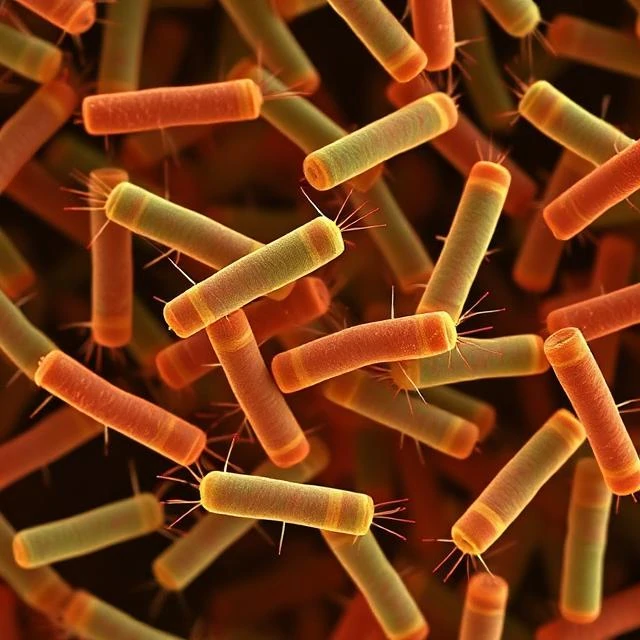
Bacteria are single-celled organisms that live almost everywhere. They are in soil, water, and air. They are on your skin and in your gut. There are more bacterial cells in your body than human cells, though they are much smaller. Most are harmless or beneficial. Some cause disease. And increasingly, scientists engineer them to do useful work.
Bacteria have simple structures. They lack a nucleus, so their DNA floats freely in the cytoplasm. They reproduce by dividing, which makes them fast. Under ideal conditions, E. coli can double every 20 minutes. That speed is why bacteria are ideal for biomanufacturing. Insert a gene for human insulin into E. coli, grow the culture, and the bacteria produce the insulin. That is how most of the world's insulin is made today.
Bacteria also serve as living sensors, pollution cleaners, and chemical factories. Engineered strains produce biofuels, plastics, and pharmaceuticals. Others degrade oil spills or remove heavy metals from water. The field of synthetic biology treats bacteria as programmable chassis, with genetic circuits that respond to signals and execute functions.
Bacteria are not just germs. They are tools, and the toolbox keeps expanding.
Comments
No comments yet. Be the first to share a thought.
Leave a comment