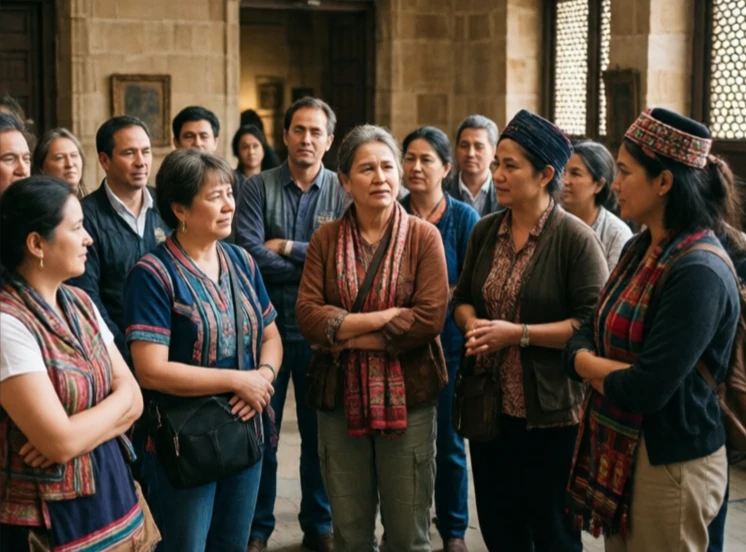
Visitors organize their trip around museums, historic neighborhoods, local festivals, and distinctive food traditions. That focus defines cultural tourism. The primary interest is the living and historic culture of the place.
Activities include visiting heritage sites, attending performances, exploring traditional markets, and learning from local guides. Authenticity is highly valued, though heavy tourism can itself alter the culture on display. Responsible operators work with communities to share benefits and limit disruption.
Cultural tourism supports preservation by giving economic value to heritage and traditions. It also risks overcrowding fragile sites and commodifying rituals. Travelers who prepare with background reading and respect local norms usually gain deeper experiences. The best cultural trips leave a sense of having understood a place more clearly.
A city's character reveals itself through its cultural layers more than through its shopping streets.
Comments
No comments yet. Be the first to share a thought.
Leave a comment