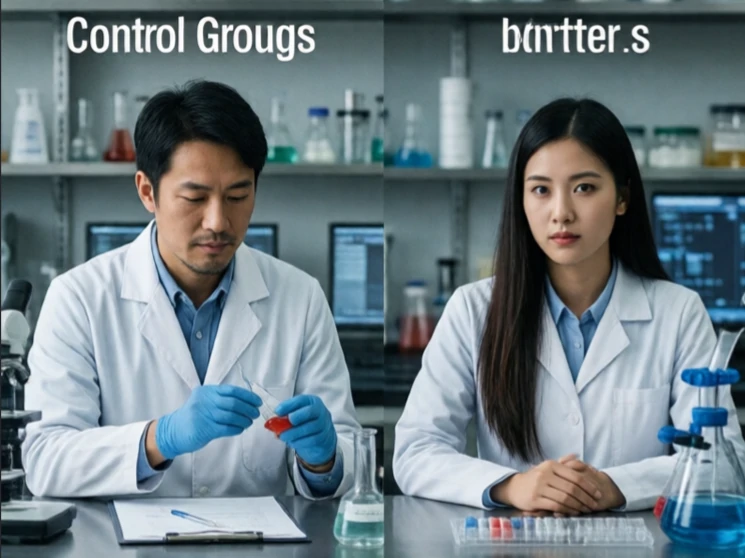
A control group is the group of participants in an experiment that does not receive the experimental treatment. It provides the baseline against which the effects of the treatment can be measured.
In a drug trial the control group may receive a placebo; in an educational study it may receive the standard curriculum while the experimental group receives a new method. Random assignment to conditions is the usual way of ensuring that the control group and the experimental group are comparable at the outset. Any subsequent difference in the dependent variable can then be attributed to the treatment rather than to pre-existing differences between the people in the two groups.
Control groups can take several forms. A no-treatment control simply withholds the intervention. An active-control group receives an alternative treatment of known or expected efficacy. A wait-list control receives the intervention after the study period. The choice depends on ethical constraints and on the precise question being asked.
Without a control group, improvement over time can be mistaken for a treatment effect. The control group anchors the comparison.
Comments
No comments yet. Be the first to share a thought.
Leave a comment