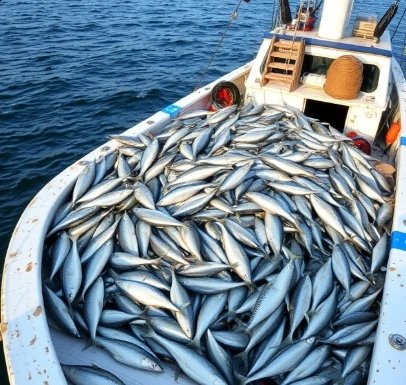
When fish are removed faster than populations can replenish themselves, the result is overfishing. It can reduce stock biomass, truncate age structure, and alter the genetic composition of the remaining fish. In severe cases stocks collapse and the fishery becomes economically unviable.
Drivers include excessive fleet capacity, ineffective regulation, illegal fishing, and subsidies that keep unprofitable vessels operating. Ecosystem effects extend beyond the target species: food webs shift, bycatch of non-target species increases relative pressure, and habitats may be damaged by fishing gear. Recovery is possible but can require years to decades of reduced fishing mortality, especially for long-lived species.
Science-based catch limits, rights-based management, marine protected areas, and improved monitoring have reversed overfishing in some regions. Globally, however, a substantial fraction of assessed stocks remain overfished or continue to experience overfishing. Consumer choices and international cooperation both influence the trajectory.
A population that once supported a thriving fishery can be reduced to a remnant within a few decades of uncontrolled harvest.
Comments
No comments yet. Be the first to share a thought.
Leave a comment