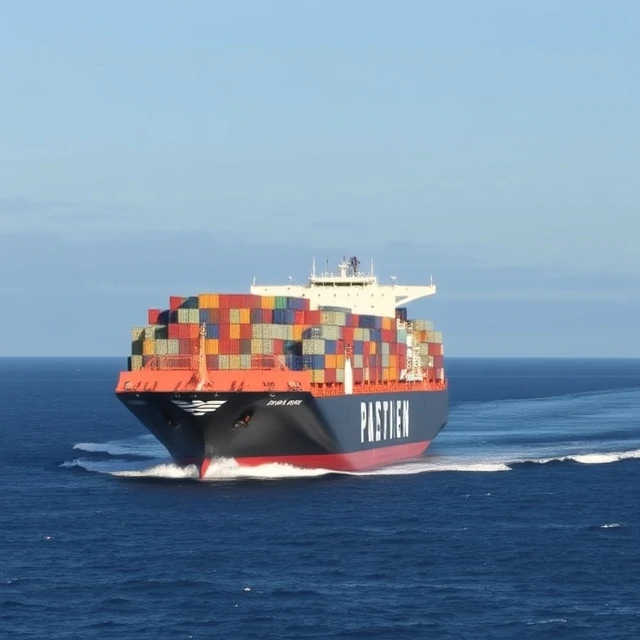
The bulk of international trade volume still moves on water. Sea freight is the transportation of goods by ship, typically over long distances between ports.
Container ships, bulk carriers, tankers, and roll-on/roll-off vessels serve different cargo types. Unit costs per ton or per container are far lower than air freight, while transit times are measured in weeks rather than days. Schedules, port congestion, and weather affect reliability.
Importers and exporters book space through carriers or forwarders, arrange inland haulage to and from ports, and manage customs at both ends. Sea freight remains the default choice for heavy, bulky, or cost-sensitive international shipments.
- Goods transport by ship between ports
- Dominant mode for global trade volume
- Lower cost and longer transit than air
- Requires port handling and inland connections
Comments
No comments yet. Be the first to share a thought.
Leave a comment