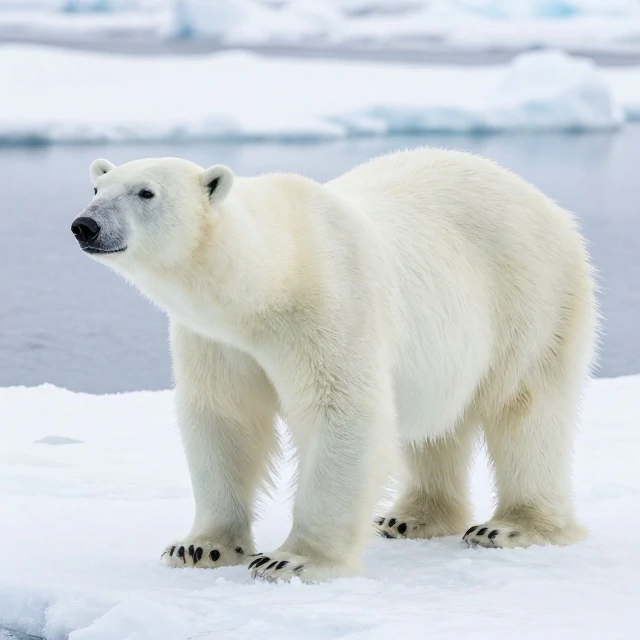
A structural adaptation is a physical feature of an organism that helps it survive. It is part of the body. Thick fur, sharp claws, long necks, and camouflage coloring are structural adaptations. They are inherited traits. They are not behaviors. They are anatomy.
Structural adaptations evolve over generations. A giraffe's long neck lets it reach leaves other herbivores cannot. A polar bear's white fur blends into the snow. A cactus's spines protect it from herbivores and reduce water loss. Each feature solves a problem. Each feature increases fitness.
Examples of structural adaptations
- Camouflage: coloring that blends with the environment.
- Mimicry: resembling another species for protection.
- Sharp claws or teeth: for catching prey.
- Streamlined body: for moving through water or air.
- Thick fur or blubber: for insulation in cold climates.
Structural adaptations are the result of natural selection. Organisms with beneficial features survive and reproduce. Their offspring inherit the features. Over time, the features become more common. That is evolution. Structural adaptations can be subtle. The shape of a bird's beak determines what it can eat. Darwin's finches are a classic example. Each species has a beak suited to its food source. The beaks are structural adaptations. They are not learned. They are inherited. Structural adaptations and behavioral adaptations work together. A bird's wings are structural. Migration is behavioral. The wings make migration possible. The behavior uses the wings. Together they help the bird survive. Structural adaptations are the body's solutions to the environment's challenges. They are written in the genes and shaped by selection.
Comments
No comments yet. Be the first to share a thought.
Leave a comment