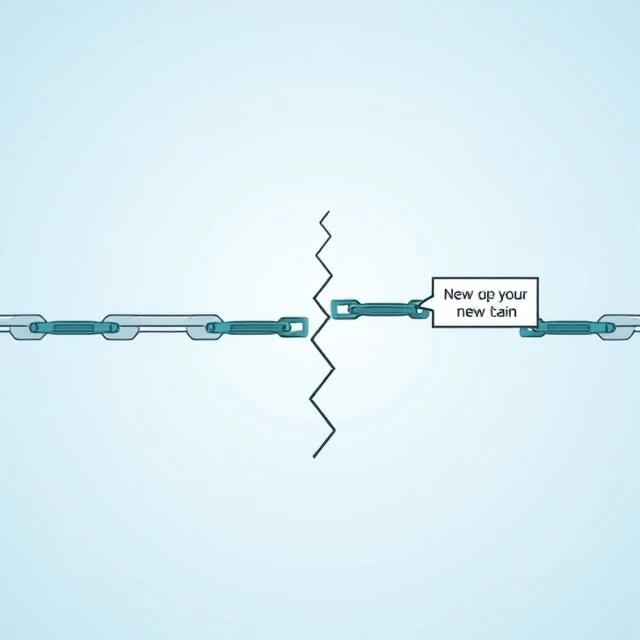
A fork changes the rules of a blockchain. Sometimes the change is backward-compatible, and old nodes can still process new blocks. That is a soft fork. Sometimes the change breaks compatibility, and all nodes must upgrade. That is a hard fork. The distinction matters because a soft fork requires only a majority of miners to adopt it. A hard fork requires everyone to move to the new rules or risk splitting the chain.
Forks happen for upgrades, bug fixes, and disagreements. When the Ethereum community decided to reverse the DAO hack in 2016, the chain split. One group accepted the rollback and continued as Ethereum. Another group rejected it and continued as Ethereum Classic. Both chains still exist. Bitcoin Cash forked from Bitcoin in 2017 over block size limits. The fork created a new chain with different rules and a separate community. A fork is not inherently good or bad. It is a governance mechanism. The chain that attracts more users, miners, and developers usually wins.
Fork types
- Soft fork — backward-compatible rule change
- Hard fork — breaking change requiring all nodes to upgrade
- Contentious fork — community splits, two chains emerge
- Non-contentious fork — smooth upgrade, no chain split
Forks are how blockchains evolve. They are also how communities fracture.
Comments
No comments yet. Be the first to share a thought.
Leave a comment