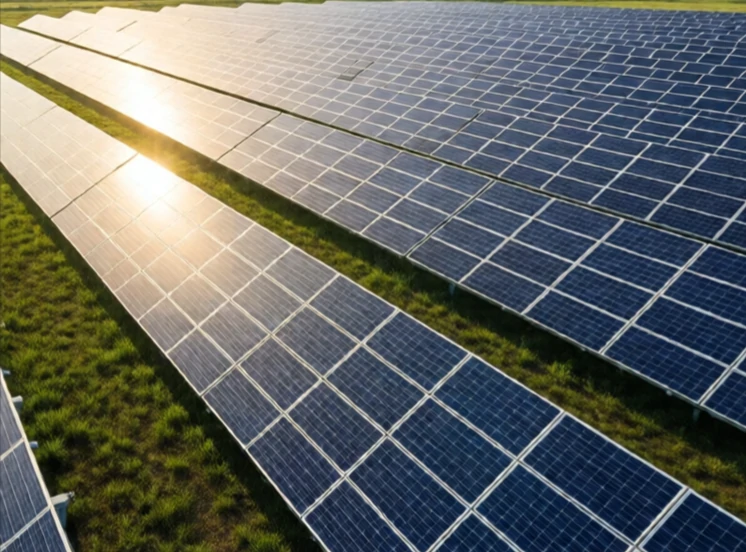
A solar panel is a device that converts sunlight directly into electricity. It uses photovoltaic cells made of silicon. When photons hit the silicon, they knock electrons loose, creating an electric current. The effect was discovered in 1839 by Edmond Becquerel. Practical solar cells arrived in the 1950s.
Solar panels come in different types. Monocrystalline panels are efficient and black. Polycrystalline are blue and cheaper. Thin-film panels are flexible and lightweight. Bifacial panels capture light on both sides. Efficiency ranges from about 15% to over 22% for commercial panels.
How solar panels work
- Photons from sunlight hit the silicon
- Electrons are freed and flow through the cell
- Metal contacts collect the current
- An inverter converts DC to AC
- Electricity powers the home or feeds the grid
Solar is now the cheapest electricity in history in many places. Costs have fallen over 90% since 2010. Panels last 25 to 30 years. They work best in sunny areas but produce power even on cloudy days. The main challenges are storage and grid integration.
Comments
No comments yet. Be the first to share a thought.
Leave a comment