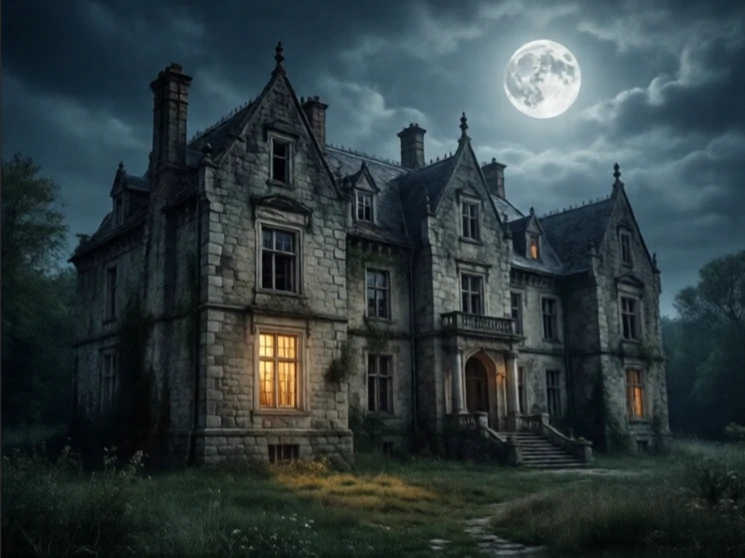
Gothic fiction is a genre that emphasizes mystery, horror, the supernatural, and intense emotion, often set against dark or archaic backdrops. It emerged in the late eighteenth century and has never entirely disappeared.
Horace Walpole’s The Castle of Otranto is conventionally cited as the first Gothic novel. The mode flourished with Ann Radcliffe, Matthew Lewis, Mary Shelley, and later with the Brontës, Poe, and countless Victorian and modern practitioners. Typical elements include crumbling castles or mansions, tyrannical villains, persecuted heroines, secret crimes, omens, and atmospheres of dread. Psychological threat often matters as much as physical danger.
Gothic fiction explores the boundaries between reason and the irrational, the living and the dead, the civilized and the primitive. It has been adapted to various cultural settings and has influenced film, music, and popular culture. Contemporary Gothic may be more ironic or psychologically explicit, yet it still trades on the power of the shadowed and the uncanny.
When a story dwells on fear, the past’s hold on the present, and the breakdown of ordinary reality, it is working in the Gothic mode.
Comments
No comments yet. Be the first to share a thought.
Leave a comment