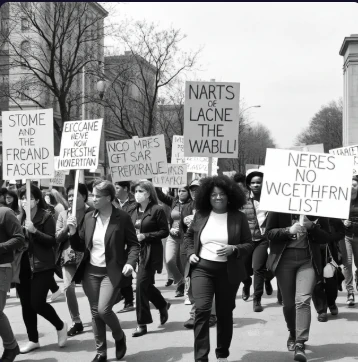
A social movement is an organized effort to promote or resist social change. It is not a single protest. It is a sustained campaign with leaders, members, strategies, and goals. The civil rights movement, the women's suffrage movement, and the environmental movement are examples.
Social movements arise when people feel that institutions are not responding to their grievances. They use tactics like marches, boycotts, sit-ins, petitions, and civil disobedience. They also use social media to mobilize and share information. Some movements succeed. Others fade or are repressed.
Types of movements
- Reform: change specific policies, like marriage equality
- Revolutionary: replace the entire system, like the American Revolution
- Redemptive: change individuals, like some religious movements
- Alternative: change small behaviors, like recycling campaigns
- Resistance: oppose change, like anti-globalization movements
Movements face opposition. Countermovements try to block them. The state may repress or co-opt them. Success depends on organization, resources, political context, and public sympathy. Movements can change laws, but they can also change hearts.
Comments
No comments yet. Be the first to share a thought.
Leave a comment