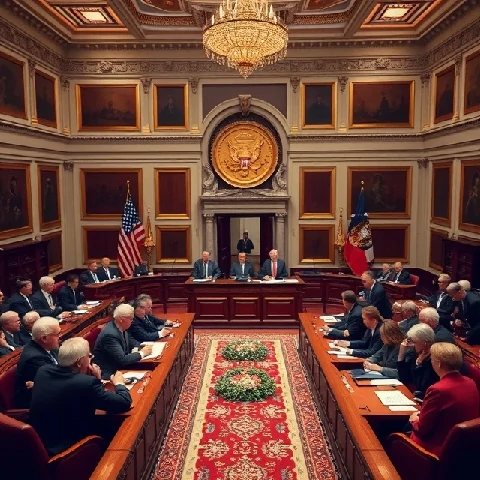
A political order in which the head of state is not a monarch and ultimate power rests with the people through representation is a republic. Officials hold office by election or appointment under law rather than by hereditary right.
Republics range from liberal democracies with strong rights protections to authoritarian systems that retain republican forms without competitive elections. The republican tradition emphasizes civic virtue, the rule of law, and opposition to arbitrary personal rule. Mixed constitutions that balance popular, aristocratic, and executive elements have long been associated with republican stability.
Most contemporary states describe themselves as republics. The label alone does not guarantee freedom or good government; the quality of institutions and political culture determines outcomes. Debates within republican thought continue over the best institutional design for securing liberty and the common good.
- State without a hereditary monarch
- Power rests with the people through representation
- Emphasizes law over personal rule
- Form varies from democratic to authoritarian
Comments
No comments yet. Be the first to share a thought.
Leave a comment