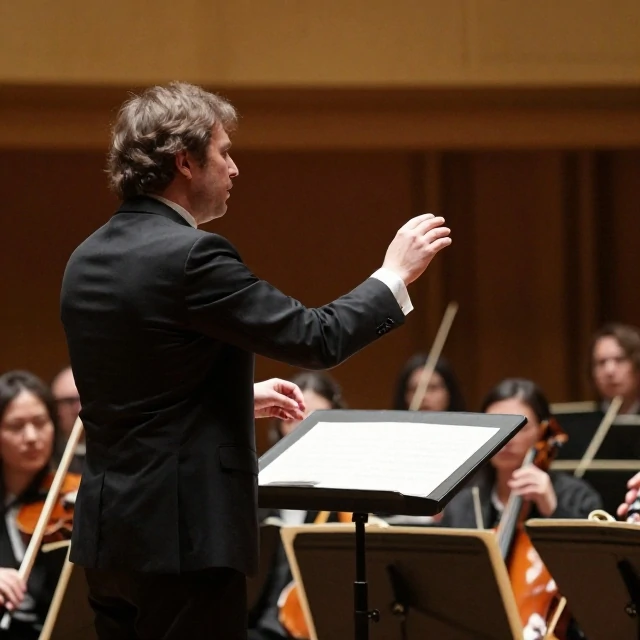
Decrescendo means gradually getting quieter. It is the opposite of crescendo. The performer starts at one volume and gradually reduces it. The change is smooth, not sudden. It is written in the score as the word decrescendo or as a hairpin symbol pointing left. Diminuendo means the same thing.
Composers use decrescendos to create tension, fade a phrase, or end a section gently. A lullaby might decrescendo to a whisper. A symphony might decrescendo before a sudden fortissimo. The effect is dramatic. The listener leans in. The silence between notes becomes as important as the notes themselves.
Dynamic markings
- Pianissimo: very soft.
- Piano: soft.
- Mezzo-piano: moderately soft.
- Mezzo-forte: moderately loud.
- Forte: loud.
- Fortissimo: very loud.
- Decrescendo: gradually softer.
- Crescendo: gradually louder.
Decrescendo is about control. It is easy to get louder. Anyone can bang harder. Getting quieter while maintaining tone quality is hard. A singer must support the breath while reducing volume. A violinist must slow the bow while keeping the pitch steady. A wind player must reduce air pressure without losing the note. The decrescendo reveals the musician's skill. It is a test of finesse. In orchestral music, the conductor shapes the decrescendo with the left hand. The players watch and follow. The result is a unified fade. It is one of the most expressive tools in music. It creates anticipation. It creates release. It creates silence.
Comments
No comments yet. Be the first to share a thought.
Leave a comment