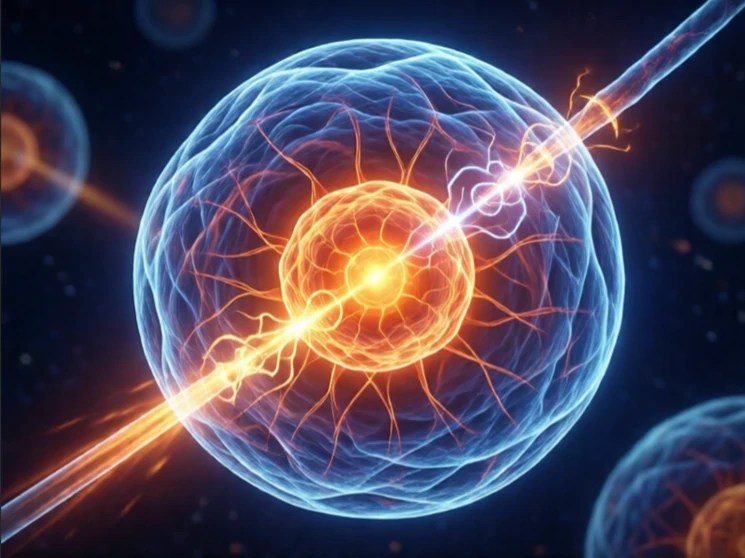
Transduction is the conversion of one form of energy into another. In sensation, it is the transformation of stimulus energies—light, sound, chemical, mechanical—into neural impulses that the brain can interpret.
Photoreceptors transduce light into electrical signals; hair cells in the cochlea transduce mechanical vibration into neural firing; olfactory and taste receptors transduce chemical structure into receptor potentials. Each sensory modality has specialized receptor cells and molecular machinery optimized for its particular form of energy. The resulting neural code preserves information about intensity, quality, and, in many cases, spatial or temporal pattern.
Without transduction there would be no sensation. The physical world would remain outside the nervous system. The efficiency and specificity of transduction determine the sensitivity and range of each sense. Damage to receptor cells or their transduction mechanisms produces corresponding sensory loss.
The first step from physical energy to neural signal is transduction.
Comments
No comments yet. Be the first to share a thought.
Leave a comment