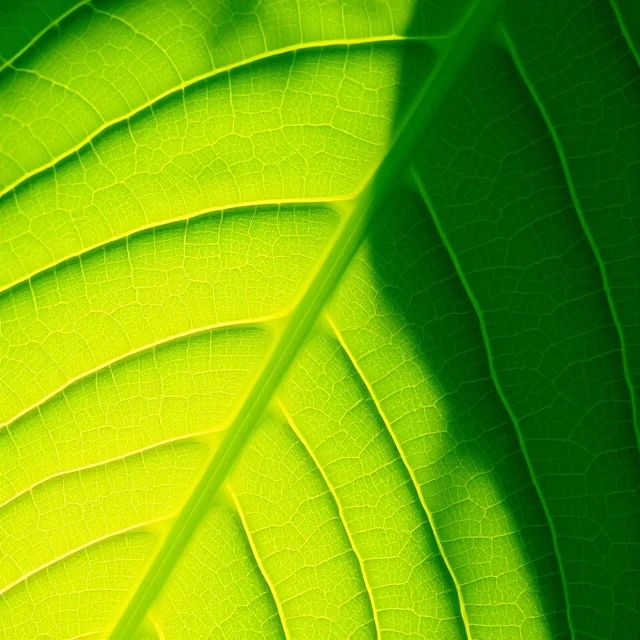
Leaves are the primary organs of photosynthesis in most plants. Their flat green surfaces capture sunlight and convert carbon dioxide and water into sugars that fuel growth. Chlorophyll gives leaves their characteristic color and enables the chemical reactions of photosynthesis.
Leaf shape, size, and arrangement vary enormously. Broad leaves maximize light capture in shade; narrow leaves reduce water loss in dry climates. Stomata on the leaf surface regulate gas exchange and transpiration. Autumn color changes occur when chlorophyll breaks down and other pigments become visible.
Healthy leaves indicate a healthy plant. Yellowing, spotting, or wilting often signal problems with water, nutrients, or pests. Gardeners observe leaves closely because they reveal the plant’s condition long before flowers or fruit show distress.
- Flat green organ of photosynthesis
- Captures light and produces sugars
- Varies widely in shape and size
- Indicates plant health through appearance
Comments (2)
Leave a comment