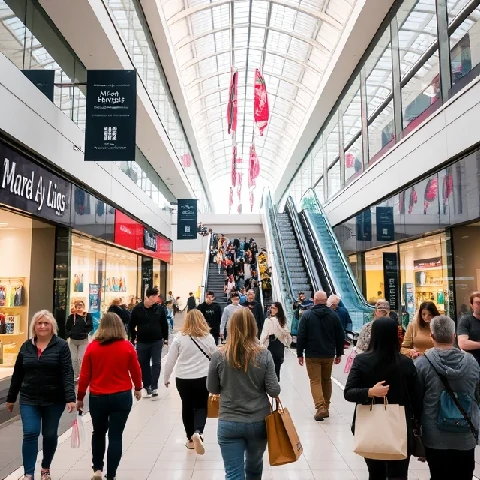
Consumption is the act of using goods and services to satisfy wants. It is the final step in the economic chain. A sandwich eaten, a movie watched, a haircut received. Without consumption, there is no point to production. In national accounts, consumption is the largest component of GDP in most countries.
Economists divide consumption into durable goods (cars, appliances), nondurable goods (food, clothing), and services (healthcare, education). The mix changes as incomes rise. Poor households spend most of their income on food and housing. Wealthier households spend more on services and leisure.
Consumption is not just about money. It is shaped by culture, habits, and advertising. People buy things to signal status, to feel good, or to belong. Understanding consumption means understanding both budgets and behavior. That is why economics and psychology overlap so much in this area.
Categories
- Durable goods: last more than three years
- Nondurable goods: used up quickly
- Services: intangible experiences
- Housing: rent and imputed rent
- Government consumption: public services
Comments
No comments yet. Be the first to share a thought.
Leave a comment