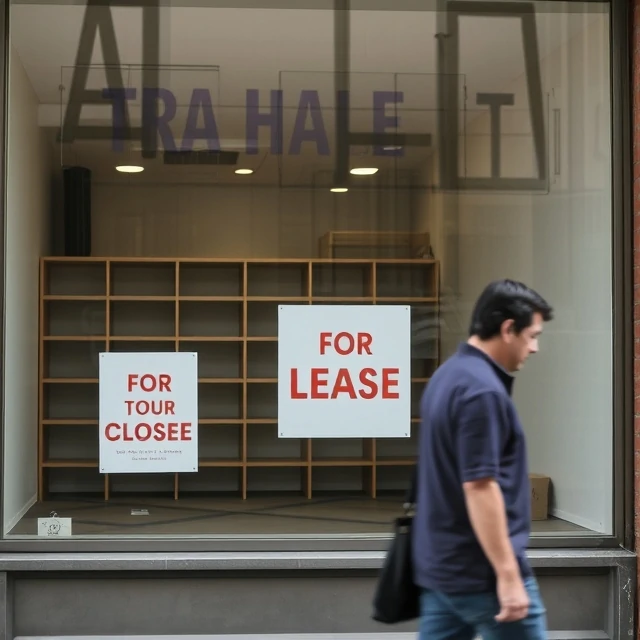
A bust is the sharp contraction that follows a boom. It is the hangover after the party. Output falls, unemployment rises, and asset prices drop. Businesses close. Banks tighten lending. Consumers pull back. The word captures the suddenness: what looked like permanent prosperity evaporates.
Busts vary in severity. A mild recession lasts months. A depression can last years. The 2008 financial crisis turned a housing bust into a global recession. The dot-com bust wiped out hundreds of startups but left the internet intact. Some busts clear out weak companies and set the stage for recovery. Others cause lasting damage.
Policy responses matter. Central banks can cut interest rates. Governments can spend to stimulate demand. But timing is hard, and political gridlock often delays action. The bust is when the costs of the boom become visible, and when the hardest choices get made.
What happens during a bust
- Falling GDP and industrial output
- Rising unemployment
- Plummeting asset prices
- Bank failures and credit crunches
- Business bankruptcies
Comments
No comments yet. Be the first to share a thought.
Leave a comment