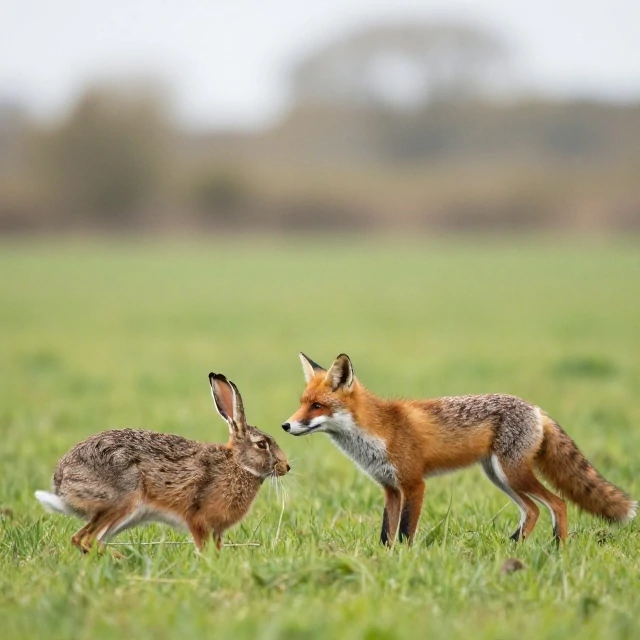
A secondary consumer eats primary consumers. Primary consumers are herbivores. Secondary consumers are carnivores or omnivores. They are the third trophic level. A fox that eats a rabbit is a secondary consumer. A bird that eats a caterpillar is a secondary consumer. A human that eats a cow is a secondary consumer.
Secondary consumers can be predators or scavengers. A wolf hunting a deer is a predator. A vulture eating a dead rabbit is a scavenger. Both are secondary consumers. They feed on primary consumers. Some secondary consumers are omnivores. They eat both plants and animals. A bear eats berries and fish. It is both a primary and secondary consumer, depending on the meal.
Secondary consumer characteristics
- Carnivores or omnivores.
- Third trophic level.
- Eat primary consumers.
- Prey for tertiary consumers.
- Control herbivore populations.
Secondary consumers play a key role in ecosystems. They keep herbivore populations in check. Without predators, herbivores can overgraze and destroy plant communities. That is why wolves were reintroduced to Yellowstone. They control elk populations. The elk stop overgrazing the willows. The willows recover. Songbirds return. Beavers return. The whole ecosystem changes. That is the power of secondary consumers. They are not just eating. They are shaping the landscape. Secondary consumers are fewer in number than primary consumers. Energy is lost at each level. It takes many rabbits to feed one fox. That is why top predators are rare. The pyramid of numbers narrows as you go up. Secondary consumers are in the middle of that pyramid. They connect herbivores to top predators.
Comments
No comments yet. Be the first to share a thought.
Leave a comment