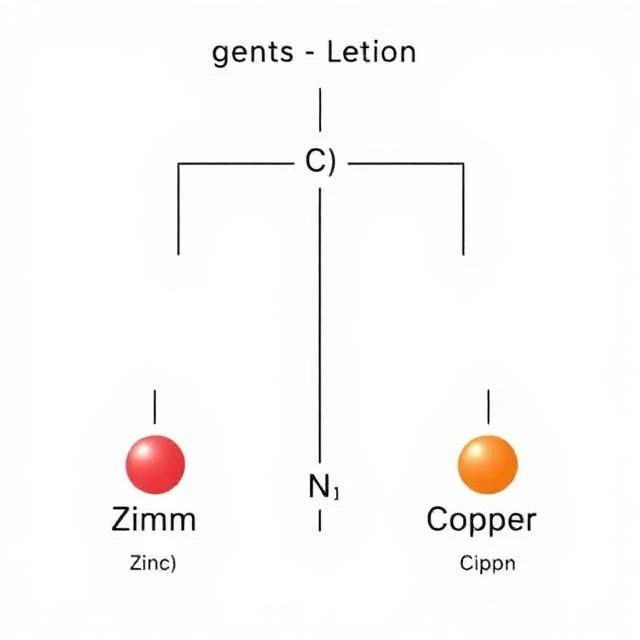
A redox reaction is a reaction involving the transfer of electrons. Oxidation is the loss of electrons. Reduction is the gain of electrons. The two always happen together. The substance that loses electrons is oxidized. The substance that gains electrons is reduced. The word redox comes from the combination of reduction and oxidation. It is one of the most important classes of chemical reactions.
The mnemonic OIL RIG helps: Oxidation Is Loss, Reduction Is Gain. The oxidation state of an atom increases when it is oxidized and decreases when it is reduced. The oxidizing agent is the substance that accepts electrons and is itself reduced. The reducing agent is the substance that donates electrons and is itself oxidized. In the reaction between zinc and copper ions, zinc is oxidized, and copper ions are reduced. Zinc is the reducing agent. Copper ions are the oxidizing agent.
Redox reactions are everywhere. Combustion is redox. Respiration is redox. Photosynthesis is redox. Corrosion is redox. Batteries and fuel cells rely on redox. Many industrial processes use redox, including the production of metals from ores and the synthesis of chemicals.
Balancing redox reactions requires balancing both mass and charge. The half-reaction method splits the reaction into oxidation and reduction half-reactions, balances each, and then combines them. The electrons lost must equal the electrons gained. The method works in acidic and basic solutions.
Comments
No comments yet. Be the first to share a thought.
Leave a comment