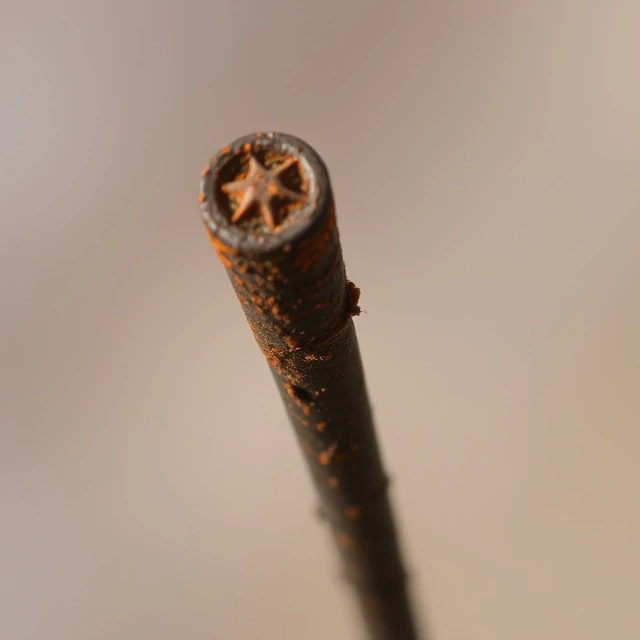
Iron rusts. Copper turns green. An apple browns when cut. These are all oxidation reactions. Oxidation is the loss of electrons by a substance. The substance that loses electrons is oxidized. The substance that gains them is reduced. The two always happen together, which is why the reactions are called redox reactions. The term originally referred to reactions with oxygen, but it now covers any electron loss.
Oxidation states track electron loss. When an atom loses electrons, its oxidation state increases. When it gains electrons, its oxidation state decreases. The oxidation state of an element in its pure form is zero. In a compound, it is assigned based on electronegativity and charge balance. Oxidation states are a bookkeeping tool for tracking electron transfer.
Oxidation reactions are everywhere. Combustion is oxidation. Respiration is oxidation. Corrosion is oxidation. Bleaching is oxidation. Antioxidants prevent oxidation by donating electrons to reactive oxygen species. Vitamin C and vitamin E are antioxidants. They protect cells from damage caused by free radicals.
Oxidation is used in industry. It produces sulfuric acid, nitric acid, and many other chemicals. It is used in wastewater treatment to break down organic pollutants. It is used in metallurgy to extract metals from ores. It is a fundamental reaction in chemistry and biology.
Comments
No comments yet. Be the first to share a thought.
Leave a comment