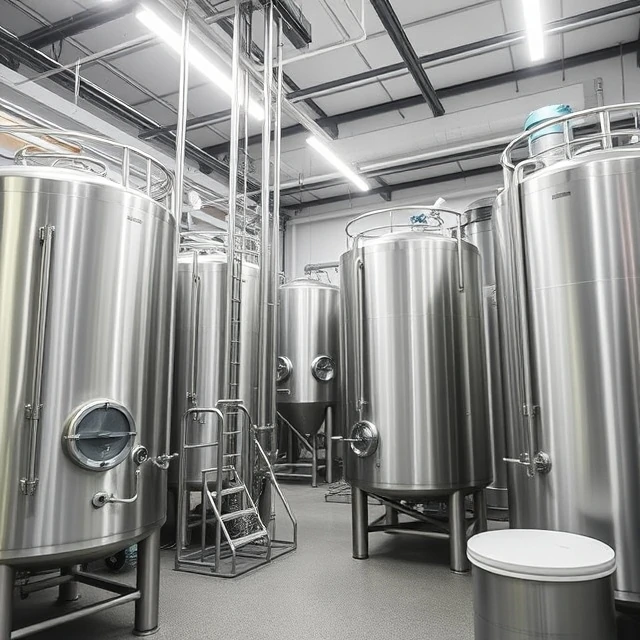
Industrial biotechnology uses living cells or enzymes to produce industrial products and chemicals. It is sometimes called white biotechnology. It makes enzymes for detergents, organic acids for food and plastics, amino acids for animal feed, and biofuels for transport. It also produces specialty chemicals that are difficult or expensive to make by traditional chemistry.
The advantages are environmental. Biological processes run at lower temperatures and pressures than chemical processes, which saves energy. They use renewable feedstocks, like corn starch, sugarcane, or agricultural waste. They produce less hazardous waste. They can replace petroleum-based products with bio-based alternatives. Enzymes in laundry detergent, for example, let clothes be washed at lower temperatures, saving energy in millions of homes.
The challenges are economic. Biological processes can be slower and more expensive than chemical ones. The products must compete on price with established petrochemical alternatives. Scale-up is difficult. Contamination is a constant risk. And the feedstock must be affordable and sustainable. Using food crops for industrial production raises the same concerns as first-generation biofuels.
Industrial biotechnology is growing. Companies like Novozymes, DSM, and BASF produce enzymes and chemicals at scale. The field is part of the broader shift toward a bio-based economy.
Comments
No comments yet. Be the first to share a thought.
Leave a comment