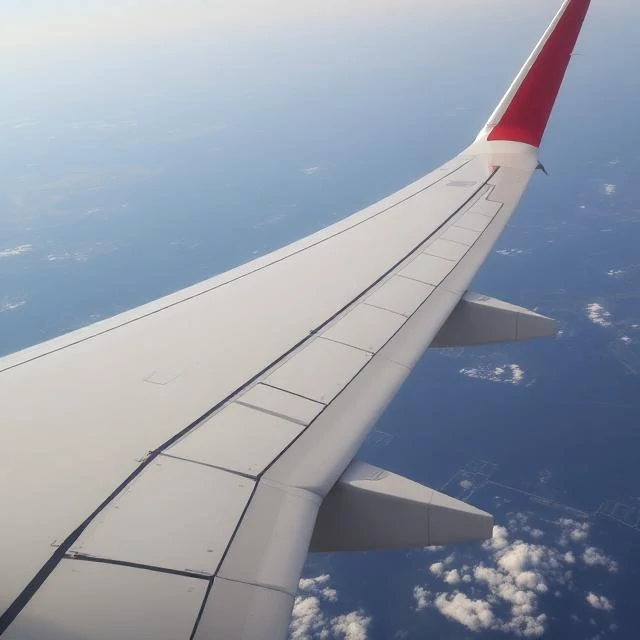
No wing, no flight. The wing generates the lift that holds an aircraft in the air, using its airfoil shape to create a pressure difference between upper and lower surfaces. Size it wrong and the aircraft never leaves the ground.
Wings come in many shapes. Straight wings suit slow aircraft. Swept wings reduce drag near the speed of sound. Delta wings handle high angles of attack for fighters. Each shape trades off lift, drag, and stability in different ways.
Key wing features
- Spars running lengthwise for strength
- Ribs shaping the airfoil cross-section
- Flaps and slats for low-speed lift
- Ailerons for roll control
- Winglets to reduce tip vortices
Wings also carry fuel, house landing gear, and mount engines on many designs. Every kilogram added there must be supported by the structure, which is why engineers fight for every gram saved.
Comments
No comments yet. Be the first to share a thought.
Leave a comment