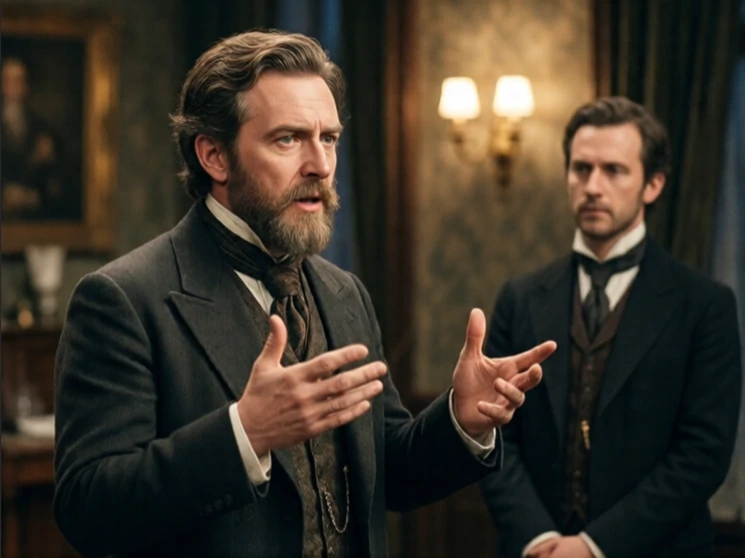
A dramatic monologue is a poem in which a single speaker addresses a silent listener, revealing character and situation in the process. The speaker is not the poet but an invented persona.
Robert Browning perfected the form in poems such as “My Last Duchess” and “The Bishop Orders His Tomb.” The Duke of Ferrara, while showing a portrait, inadvertently discloses his jealousy and possible murder of his former wife. The reader pieces together the truth from what the speaker says and from what he fails to see about himself. The silent auditor’s implied reactions further shape the drama.
Dramatic monologues combine the intensity of lyric with the characterization of drama. They invite psychological analysis and often expose self-deception, vanity, or moral blindness. Modern poets have continued to adapt the form for a wide range of voices and situations. The key requirement remains a distinct speaker whose words do more work than the speaker intends.
A single voice speaking in a specific situation and, in the act of speaking, uncovering more than it means to—that is the dramatic monologue.
Comments
No comments yet. Be the first to share a thought.
Leave a comment