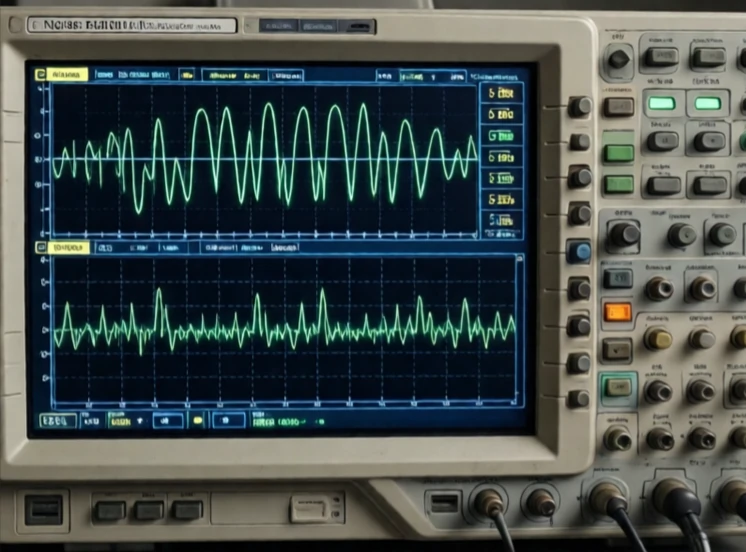
Signal-to-noise ratio compares signal strength to background noise. It is measured in decibels. A high SNR means a clean signal. A low SNR means the signal is buried in noise. SNR determines how much data can be transmitted and how reliably. It is a fundamental limit of communication.
SNR is calculated as signal power divided by noise power. A ratio of 10 is 10 dB. A ratio of 100 is 20 dB. A ratio of 1,000 is 30 dB. Each 3 dB increase doubles the power ratio. The Shannon-Hartley theorem says capacity is proportional to bandwidth times log of one plus SNR.
SNR in practice
- Wi-Fi: 20 to 40 dB is good
- Cellular: 10 to 20 dB is usable
- Fiber: 20 to 30 dB is typical
- Satellite: 10 to 15 dB is common
SNR is affected by distance, interference, and equipment quality. You can improve it by moving closer, reducing interference, or using better antennas. But you cannot eliminate noise. Thermal noise is fundamental. The SNR is the ceiling. You can only get so close.
Comments
No comments yet. Be the first to share a thought.
Leave a comment