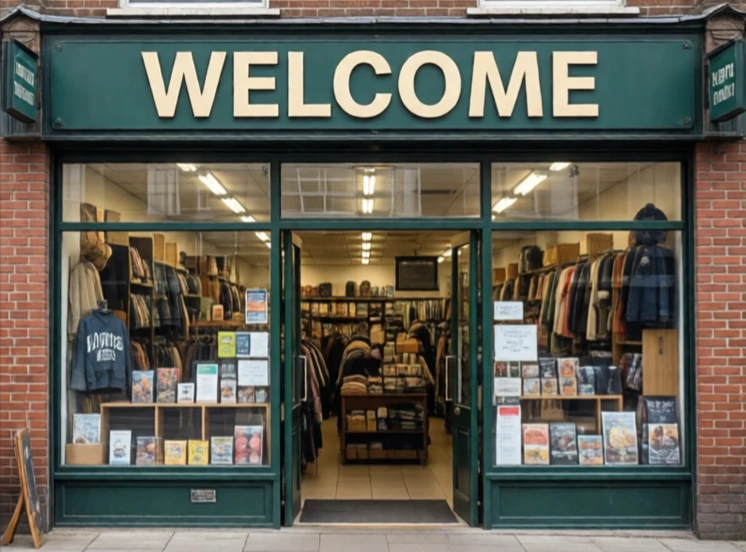
A physical location displays merchandise, accepts payment, and provides a place for customers to examine goods before buying. That location is a store. It is the traditional and still essential unit of retail.
Stores vary from tiny kiosks to vast hypermarkets. They require real estate, fixtures, staff, inventory, and systems. The design of the space influences how long customers stay and how much they buy. Even pure online retailers sometimes open stores to serve pickup, returns, and brand experience.
A store is both a cost center and a revenue engine. Its performance is measured in sales per square foot, conversion, and contribution margin. Despite the growth of digital channels, the store remains the place where most people still prefer to see, touch, and take home many categories of goods.
The open door of a store is still an invitation to commerce.
Comments
No comments yet. Be the first to share a thought.
Leave a comment