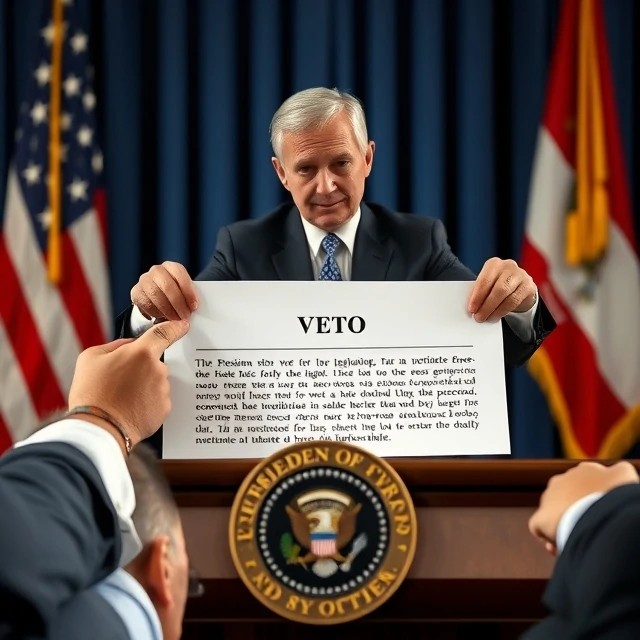
The power to block a decision that others have approved is a veto. In legislative processes the executive veto allows a president or governor to reject a bill passed by the legislature, usually subject to a possible override by a supermajority.
Vetoes force reconsideration and can extract concessions. The mere threat of a veto shapes the content of legislation before it reaches the executive’s desk. Some systems provide line-item vetoes for appropriations; others require acceptance or rejection of the entire bill. International organizations sometimes grant veto rights to permanent members, as in the UN Security Council.
The veto is a classic check in separated-powers systems. Overuse can produce confrontation; underuse can suggest weakness. Constitutional designers weigh the stabilizing benefits of the veto against the risk of minority obstruction of needed action.
A single signature withheld can stop a bill that survived every earlier legislative hurdle.
Comments
No comments yet. Be the first to share a thought.
Leave a comment