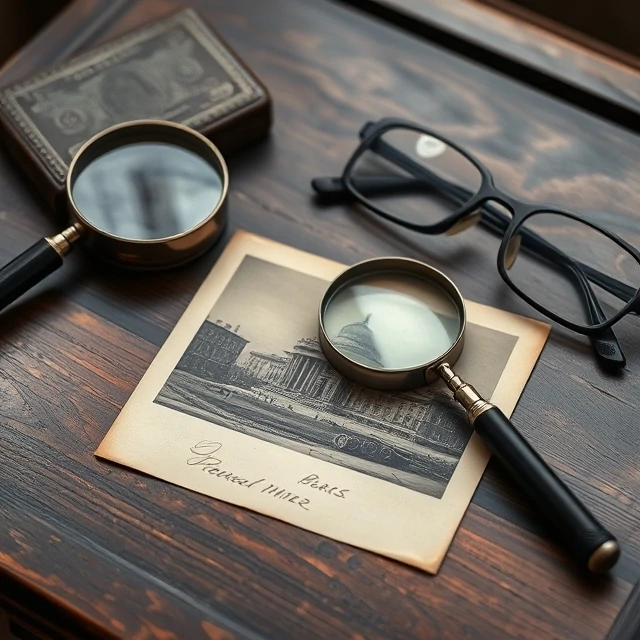
A photograph is an image created by recording light on a light-sensitive surface. The word comes from the Greek photos, meaning light, and graphé, meaning drawing. So a photograph is a light drawing. The process has changed from film to digital, but the principle is the same: light enters through a lens, is controlled by a shutter, and is captured by a sensor or film. The result is a fixed image, a moment frozen in time.
Photographs are not just records. They are interpretations. The photographer chooses what to include, what to exclude, when to press the shutter, and how to process the image. A photograph is a point of view. It is a selection of reality, not a copy of it. That is why two photographers can stand in the same place and produce completely different images. The camera is a tool, but the eye and the mind are what make a photograph. A photograph can inform, persuade, move, and inspire. It can also deceive. The power of the photograph lies in its apparent truthfulness, and that power can be used well or badly.
Elements of a photograph
- Subject. What the photograph is about.
- Composition. How the elements are arranged.
- Light. The quality and direction of illumination.
- Moment. When the shutter is pressed.
- Processing. How the image is edited and presented.
A photograph is not the same as a snapshot. A snapshot records. A photograph interprets. Both have their place, but they are different things.
Comments (2)
Leave a comment