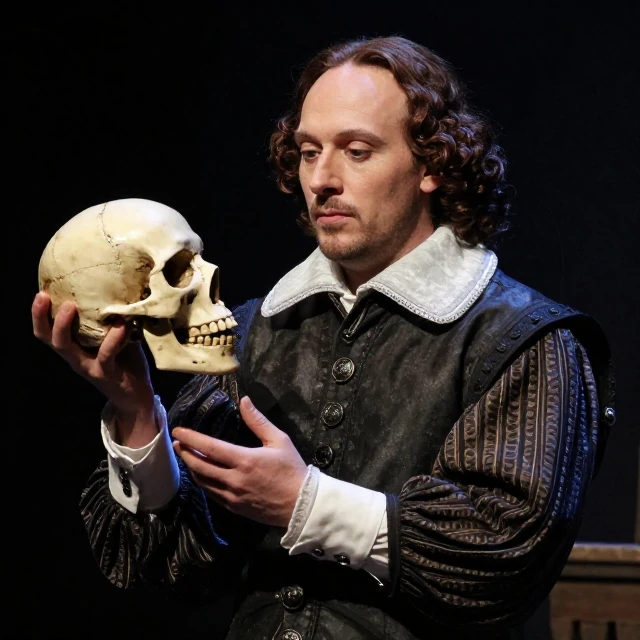
A round character is complex. They have multiple traits, conflicting motivations, and the capacity to change. They feel like real people. They surprise you. They have depth. E.M. Forster coined the term in Aspects of the Novel. He contrasted round characters with flat ones. Round characters are the ones you remember.
Hamlet is round. He is brilliant and paralyzed, loving and cruel, suicidal and calculating. You cannot sum him up in one sentence. Elizabeth Bennet is round. She is witty and prejudiced, confident and insecure. She learns and grows. A round character can be the protagonist or the antagonist. A villain with understandable motives is round. A villain who is evil for no reason is flat.
Round character characteristics
- Multiple, sometimes contradictory traits.
- Complex motivations.
- Capacity for change.
- Surprises the reader.
- Feels like a real person.
Round characters are harder to write. They require psychological insight. The author must know the character's history, fears, desires, contradictions. The reader does not need all that information, but the author does. A round character acts consistently and unpredictably. Their actions make sense in retrospect. They are not a collection of quirks. They are a coherent personality. Not every character needs to be round. A story with too many round characters is exhausting. The supporting cast can be flat. The protagonist and antagonist usually need to be round. The reader spends the most time with them. They must be worth the investment. A round character is a person. A flat character is a type. Both have their place. But the round character is the one that stays with you after the book is closed.
Comments
No comments yet. Be the first to share a thought.
Leave a comment