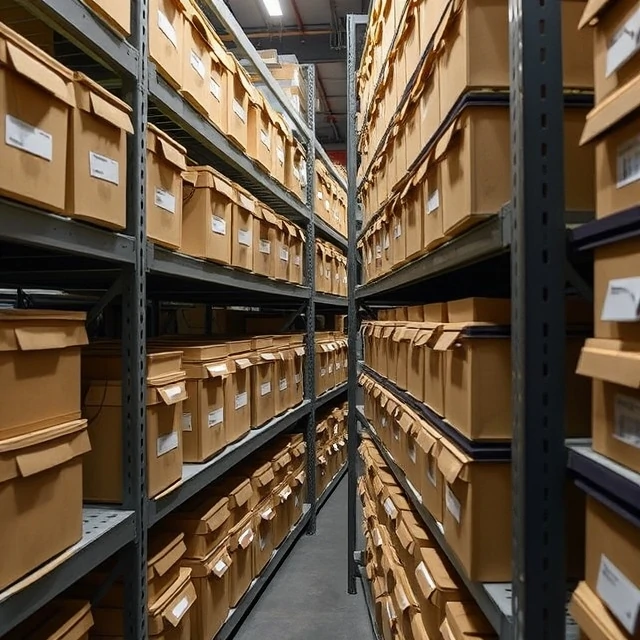
Governments, churches, businesses, and families accumulate records. Archives are organized collections of documents preserved for their enduring value. They may include letters, ledgers, maps, photographs, and electronic files.
Archivists appraise, arrange, describe, and protect materials so researchers can find and use them. Access rules balance openness with privacy and security. National archives hold treaties and census data; local archives may preserve court cases and personal papers that illuminate ordinary lives.
Digital technology has expanded both the volume of records and the means of sharing them. Yet paper, parchment, and film still require climate control and careful handling. Historians depend on archives for primary evidence; without them, large parts of the past would remain inaccessible.
- Organized collections of historical records
- Preserved for research and accountability
- Managed by professional archivists
- Include paper, visual, and digital materials
Comments (3)
Leave a comment