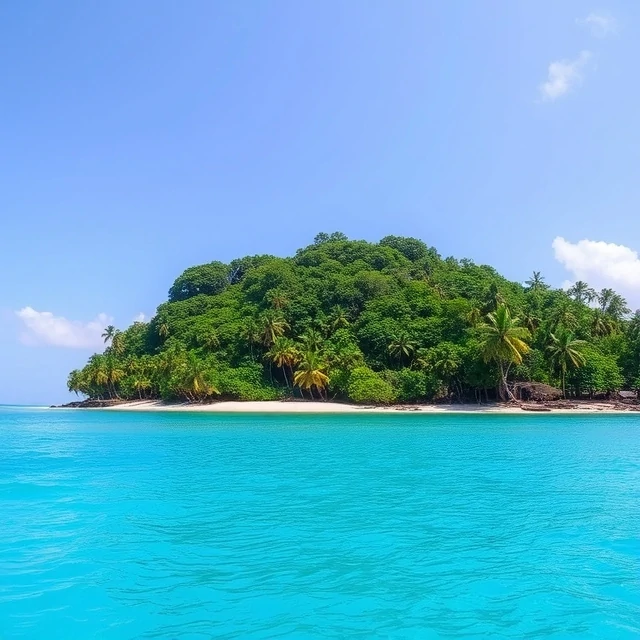
Water surrounds the land on every side. An island is a landmass smaller than a continent that is completely surrounded by water. Islands range from tiny rocky outcrops to large land areas such as Greenland or Madagascar.
They form by volcanic activity, tectonic uplift, deposition of sand, or the isolation of high ground as sea level rises. Island biogeography shows that isolation and size strongly influence the number and uniqueness of species. Many islands host endemic plants and animals found nowhere else.
Human history on islands includes both isolation and intense connection through seafaring. Strategic location has made some islands military or trade prizes. Today islands face acute risks from sea-level rise and extreme weather, making them important indicators of global environmental change.
- Land entirely surrounded by water
- Smaller than a continent
- Formed by varied geologic processes
- Often host unique ecosystems
Comments (2)
Leave a comment