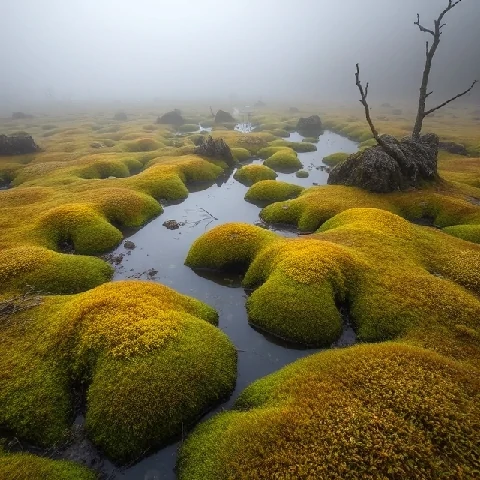
A carbon sink absorbs more carbon than it releases. Forests, oceans, soils, and wetlands all act as sinks. They pull carbon dioxide out of the atmosphere and store it in living tissue, water, or sediment. Without these sinks, atmospheric CO2 would rise even faster than it already does.
Forests store carbon in trees, roots, and soil. A mature forest can hold hundreds of tons of carbon per hectare. Oceans absorb CO2 at the surface and mix it into deep water. Soils store carbon in organic matter. Peatlands are especially dense sinks, accumulating carbon over thousands of years.
Sinks are under pressure. Deforestation turns forests from sinks into sources. Warming oceans absorb less CO2 and become more acidic. Thawing permafrost releases methane and CO2. These feedbacks could weaken the sinks that currently slow climate change. Protecting and restoring them is one of the most effective climate strategies available.
Major sinks
- Forests
- Oceans
- Soils
- Peatlands and wetlands
- Permafrost (vulnerable)
Comments
No comments yet. Be the first to share a thought.
Leave a comment