Nitrogen makes up about 78 percent of the air, but most organisms cannot use it directly. The nitrogen cycle moves this element through the atmosphere, soil, water, and living things, converting it into forms that plants and animals can use. Bacteria do most of the work. Nitrogen-fixing bacteria, living free in soil or in nodules on legume roots, convert atmospheric nitrogen into ammonia. Other bacteria convert ammonia into nitrates, which plants absorb. Animals get nitrogen by eating plants or other animals. When organisms die, decomposers break down their tissues and release nitrogen back to the soil.
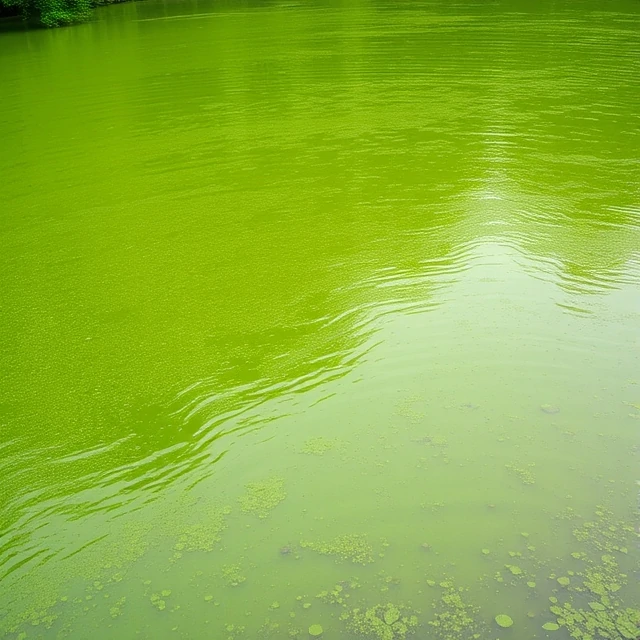
Human activity has doubled the amount of nitrogen entering the environment. Fertilizer production and burning fossil fuels release reactive nitrogen compounds. These can leach into waterways, causing algal blooms and dead zones. They can also form nitrous oxide, a potent greenhouse gas. Managing the nitrogen cycle is one of the harder environmental challenges because nitrogen is essential to food production. The goal is not to eliminate it but to use it more efficiently.
Key steps
- Fixation: nitrogen gas converted to ammonia.
- Nitrification: ammonia converted to nitrates.
- Assimilation: plants and animals take up nitrogen.
- Denitrification: nitrates converted back to nitrogen gas.
The nitrogen cycle is invisible but essential. Every protein in your body contains nitrogen that has moved through this cycle many times.
Comments
No comments yet. Be the first to share a thought.
Leave a comment