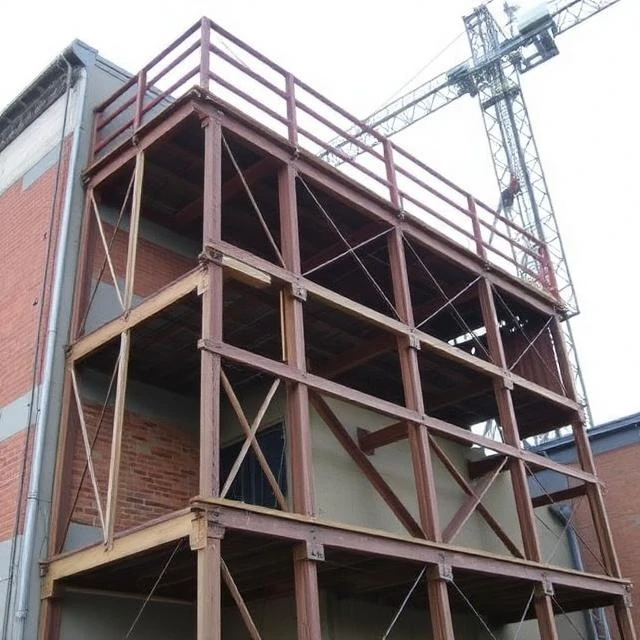
Retrofitting adds new technology or features to an existing structure. It is different from renovation, which improves the appearance or function. Retrofitting upgrades the performance. It can make a building more energy-efficient, more earthquake-resistant, or more accessible. It can add insulation, replace windows, install solar panels, or strengthen the foundation. Retrofitting is common in older buildings that were built to outdated codes. It is also common in buildings that need to meet new standards.
Seismic retrofitting is one of the most important types. Many older buildings were built before modern earthquake codes. They lack the reinforcement and ductility to survive a strong quake. Retrofitting can add steel braces, shear walls, foundation bolts, and moment frames. It can also strengthen the connections between the walls and the roof. The work is invasive and expensive. But it can save the building and the lives inside it. Los Angeles, San Francisco, and Tokyo have mandatory retrofit programs for certain types of buildings.
Energy retrofitting is another common type. It can add insulation, seal air leaks, upgrade windows, replace furnaces, and install heat pumps. It can reduce energy bills and carbon emissions. It can also improve comfort. The work is often supported by government incentives and rebates. Retrofitting is not glamorous. It is not new construction. It is the unglamorous work of making what we already have better. It is essential to a sustainable future. The greenest building is the one that is already standing.
Comments (2)
Leave a comment