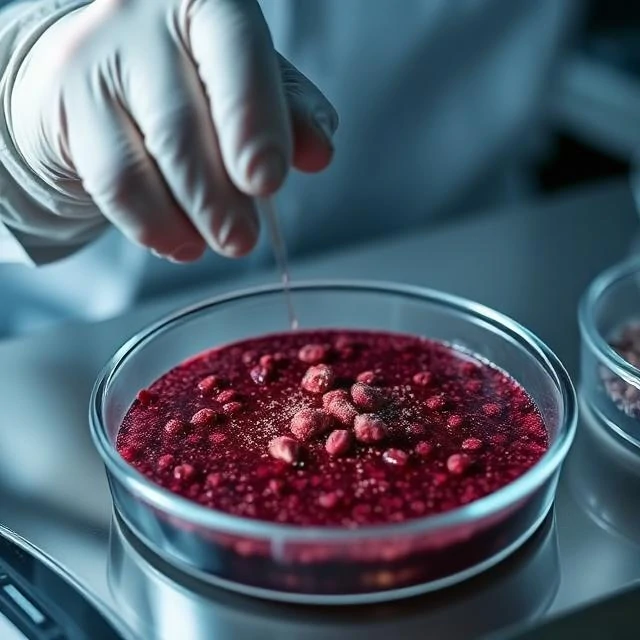
Every year, thousands of patients die waiting for organ transplants. Tissue engineering aims to reduce that number by growing replacement tissues in the lab. It combines cells, scaffolds, and signals to create biological substitutes that restore or replace damaged tissues. Skin, cartilage, bone, and blood vessels are already being engineered. More complex organs, like hearts and kidneys, are still experimental.
The approach has three components. Cells provide the biological function. They may be the patient's own cells, donor cells, or stem cells. Scaffolds provide the structure. They are made from natural or synthetic materials and must be biocompatible and biodegradable. Signals, like growth factors, guide the cells to form the right tissue. The components are combined in a bioreactor that provides the right conditions for tissue growth.
Tissue engineering has produced clinical products. Engineered skin is used to treat burns and chronic wounds. Engineered cartilage is used to repair knee injuries. Engineered blood vessels are used for dialysis access. Engineered bladders have been implanted in patients. The field is advancing.
The challenges are significant. Growing a tissue that functions like the original is hard. Blood vessels must be engineered to supply nutrients. The immune system must not reject the implant. And the cost must be affordable. Tissue engineering is not yet routine, but it is a promising approach to a growing problem.
Comments (2)
Leave a comment