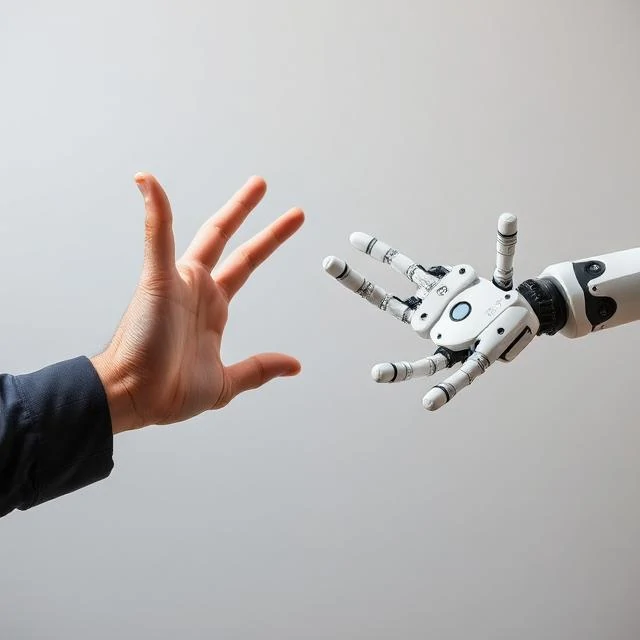
The term has shifted meaning for seventy years. Early researchers aimed to replicate human reasoning with symbolic rules. Today the label covers systems that learn from data, generate text, recognize images, and play games at superhuman levels. The common thread is machines performing tasks that once required human intelligence.
Not all AI looks the same. A chess engine searches game trees. A language model predicts the next token. A recommendation system ranks items by predicted relevance. Each uses different methods, yet all fall under the same broad umbrella.
Main categories
- Narrow AI, designed for a specific task
- General AI, hypothetical and not yet achieved
- Symbolic AI, rule-based and interpretable
- Connectionist AI, built on neural networks
The field has cycled through optimism and disappointment. Funding surges during breakthroughs and collapses when promises go unmet. The current wave, powered by deep learning and vast compute, has lasted longer than most, but the pattern of inflated expectations is familiar.
Comments
No comments yet. Be the first to share a thought.
Leave a comment