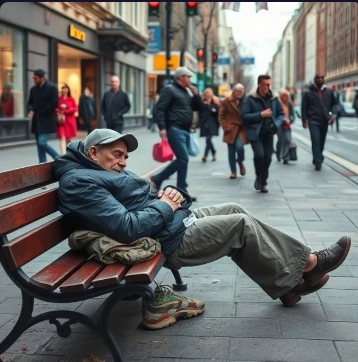
Social exclusion is being marginalized from full participation in society. It is not just poverty. It is the inability to access institutions, relationships, and opportunities that most people take for granted. A homeless person is excluded from housing, healthcare, and often from public space itself.
The term emerged in Europe in the 1970s to describe people left out of the welfare state. It includes economic exclusion (no job, no income), political exclusion (no voice, no vote), social exclusion (no networks, no support), and cultural exclusion (stigma, discrimination).
Who is excluded
- Homeless people
- Undocumented immigrants
- Racial and ethnic minorities
- Disabled people
- LGBTQ+ youth, especially those rejected by families
Social exclusion is costly. It wastes human potential, increases crime, and strains public services. Policies that promote inclusion — affordable housing, universal healthcare, anti-discrimination laws — can reduce it. But inclusion requires more than access. It requires belonging.
Comments (2)
Leave a comment