Not every state is headed by a monarch. A republic is a political system in which the head of state is not a hereditary monarch and authority is understood to derive from the people or their representatives. The term has covered a wide range of institutional arrangements.
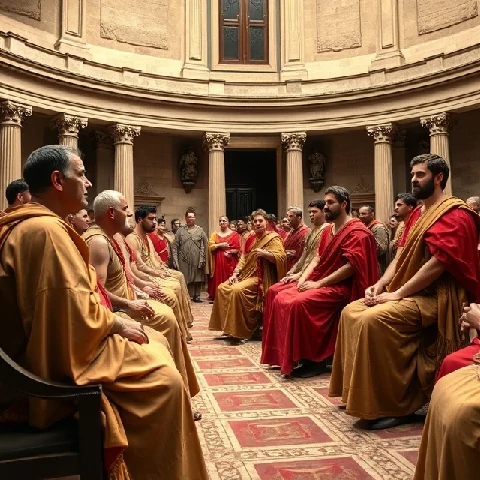
Ancient Rome’s republic mixed elected magistracies with aristocratic control. Early modern and modern republics have ranged from oligarchic city-states to large representative democracies. Written constitutions, separation of powers, and citizenship rights often feature in republican design, though practice varies.
Republican ideology has emphasized civic virtue, the common good, and resistance to tyranny. Historians trace how the Roman model was reinterpreted in Renaissance Italy, the American and French revolutions, and later independence movements. The label “republic” alone does not guarantee democratic substance.
- State without a hereditary monarch as head
- Authority claimed to rest with the people or representatives
- Takes varied institutional forms
- Associated with civic and anti-tyrannical ideals
Comments
No comments yet. Be the first to share a thought.
Leave a comment