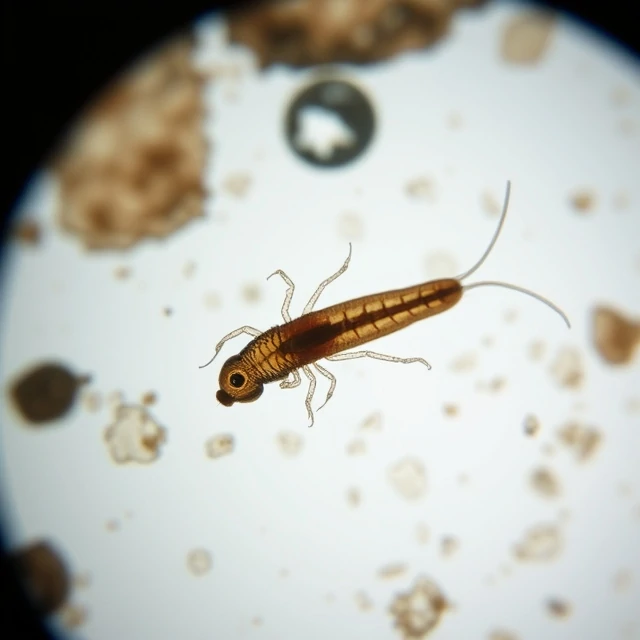
Some organisms make a living only at another’s expense. A parasite is an organism that lives on or inside a host organism and derives nutrients at the host’s expense, often causing harm.
Human parasites include protozoa such as malaria parasites, helminths such as intestinal worms, and ectoparasites such as lice and mites. Life cycles may involve intermediate hosts or environmental stages. Symptoms range from mild discomfort to severe organ damage depending on the species and burden.
Diagnosis uses microscopy, antigen tests, serology, or molecular methods. Antiparasitic drugs and prevention of exposure through sanitation, vector control, and safe food and water reduce the global burden. Travel and migration continuously reintroduce parasitic risks into new regions.
- Organism living on or in a host at the host’s expense
- Includes protozoa, helminths, and ectoparasites
- Causes disease proportional to species and load
- Controlled by drugs, sanitation, and vector measures
Comments
No comments yet. Be the first to share a thought.
Leave a comment