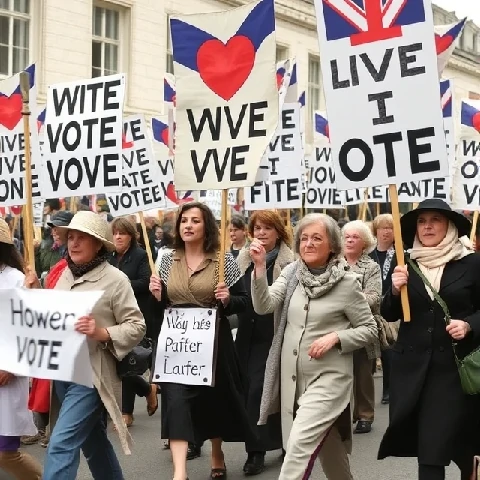
The right to vote has been hard-won and unevenly distributed. Suffrage is the legal entitlement to participate in political elections. Its expansion is a central theme in the history of democracy.
Property qualifications, gender barriers, racial exclusions, and age limits long restricted the electorate in most countries. Movements for manhood suffrage, woman suffrage, and civil rights challenged those barriers through petition, protest, and legal action. Victories were often partial and required further struggle to implement.
Historians examine both the formal extension of suffrage and the practical obstacles—intimidation, literacy tests, registration rules—that continued to limit participation. The ballot remains a fundamental instrument of political inclusion, and contests over who may use it recur in many political systems.
- Legal right to vote in elections
- Historically restricted by property, gender, and race
- Expanded through social and political movements
- Implementation often lagged behind formal grants
Comments
No comments yet. Be the first to share a thought.
Leave a comment