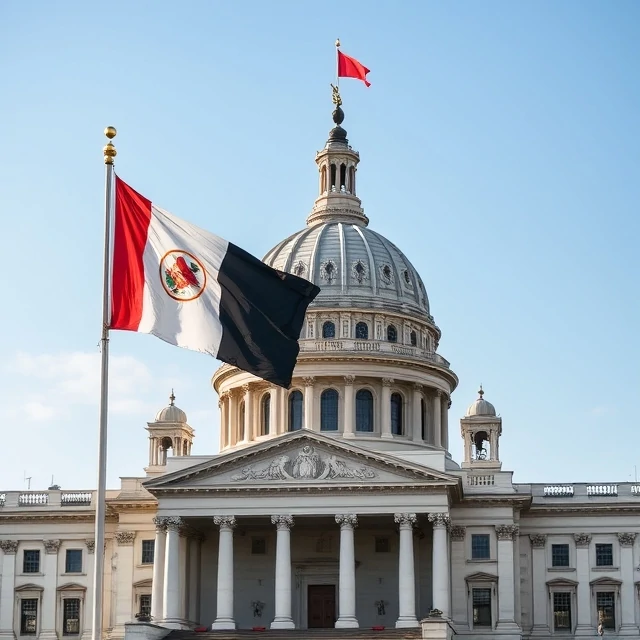
Ultimate authority inside a territory belongs to the sovereign state. Sovereignty is the principle that a state has exclusive control over its internal affairs and is free from external control in those matters. It is a foundational concept of the modern international system.
Sovereignty is recognized through diplomatic relations, membership in international organizations, and the practical ability to enforce laws within borders. It can be contested when regions seek independence or when external powers intervene. Globalization and international treaties have created ongoing debate about the limits of sovereignty.
In practice, sovereignty is both a legal status and a capacity that must be maintained. Failed states may retain formal sovereignty while lacking effective control. The concept continues to shape discussions of intervention, human rights, and global governance.
- Supreme authority of a state over its territory
- Core principle of the international system
- Recognized through diplomacy and practice
- Subject to debate in an interconnected world
Comments
No comments yet. Be the first to share a thought.
Leave a comment