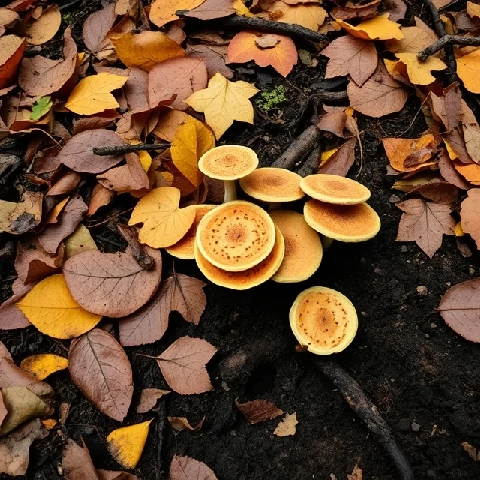
Carbon moves constantly between the atmosphere, oceans, land, and living things. That movement is the carbon cycle. Plants pull carbon dioxide from the air through photosynthesis and lock it into sugars and tissues. Animals eat the plants and release carbon back through respiration. When organisms die, decomposers break them down, returning carbon to the soil and air. The oceans absorb large amounts of carbon dioxide, and marine organisms build shells and skeletons from it. Over millions of years, some carbon gets buried and compressed into coal, oil, and gas.
Human activity has disrupted the cycle. Burning fossil fuels releases carbon that was stored underground for hundreds of millions of years. Deforestation removes trees that would otherwise absorb carbon dioxide. The result is a net increase in atmospheric carbon, which traps heat and drives climate change. The ocean absorbs about a quarter of human emissions, which makes seawater more acidic and harms coral and shellfish.
Major carbon reservoirs
- Atmosphere: carbon dioxide and methane.
- Oceans: dissolved carbon and marine life.
- Land: soils, forests, and peat.
- Fossil fuels: coal, oil, and gas.
The carbon cycle is not a closed loop. It is a set of flows that can be unbalanced. For most of human history, the balance held. Since the industrial revolution, it has not.
Comments
No comments yet. Be the first to share a thought.
Leave a comment