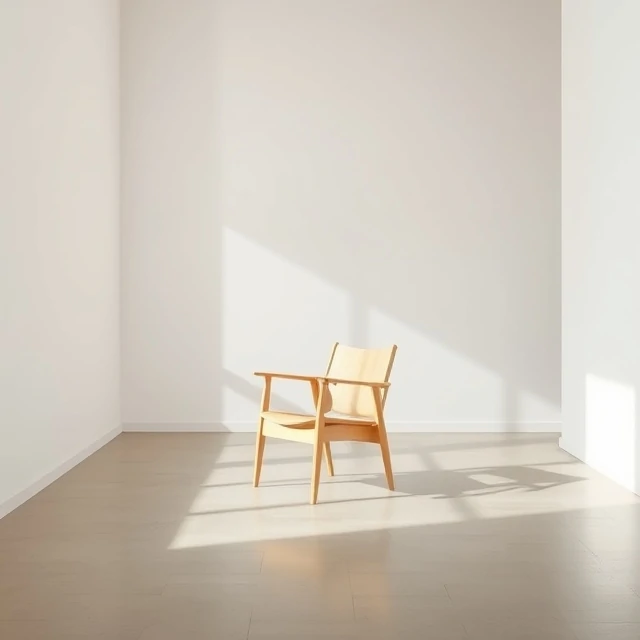
Aesthetics describes the visual and sensory qualities that make a design pleasing. It is not decoration. It is how a thing looks and feels, and how that affects the person using it. A well-designed chair is not just comfortable. The proportions, the material, the finish all contribute to the experience. A poorly designed one may function but feel wrong. Aesthetics and function are not opposites. They are partners.
The study of aesthetics goes back to philosophy. Why do certain proportions feel right? Why do some color combinations calm and others agitate? The golden ratio, symmetry, rhythm, and contrast all play roles. But taste varies across cultures and individuals. What one audience finds elegant, another finds cold. What one generation finds modern, another finds dated. Designers work with these tensions. They study trends without being enslaved by them. They test assumptions with real users. They balance the client's preferences against the audience's needs. Aesthetics is subjective, but it is not arbitrary. There are patterns in what people find beautiful. Understanding those patterns is part of the craft. So is knowing when to break them.
Elements of visual aesthetics
- Balance — distribution of visual weight
- Proportion — relationship between sizes
- Rhythm — repetition and variation
- Contrast — difference that creates interest
- Texture — surface quality, real or implied
Aesthetics is not about making things pretty. It is about making things feel right. The feeling matters.
Comments (2)
Leave a comment