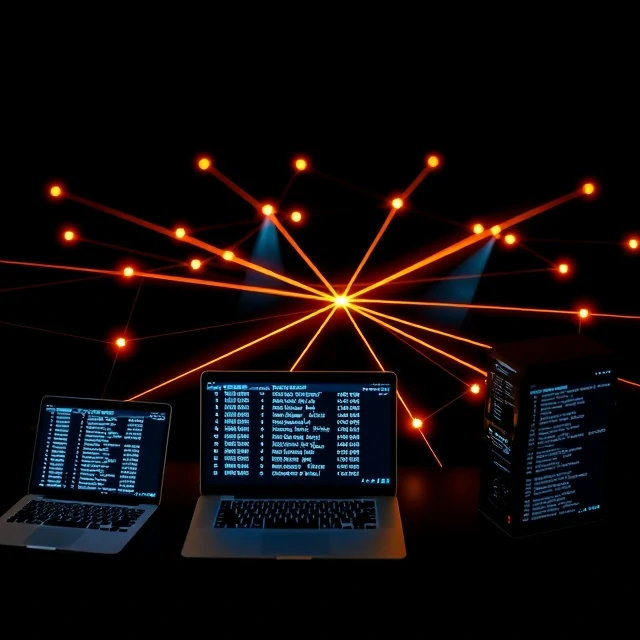
A distributed ledger is a database copied across many computers. Each copy holds the same records. When a new transaction is added, it propagates to all the copies. No single party controls the master version because there is no master version. Every node has a full copy. The ledger is the network. That redundancy makes the system resilient. If one node goes offline, the ledger survives. If someone tries to alter a record on one copy, the other copies reject the change.
Blockchain is a type of distributed ledger, but not all distributed ledgers are blockchains. A blockchain links records in blocks with cryptographic hashes. Other distributed ledgers use different structures. Directed acyclic graphs, for example, link transactions directly to each other. The common thread is distribution. The ledger lives on many machines, and those machines agree on the state through some consensus mechanism. That architecture removes the need for a central authority to keep the books. It also makes the system slower and more complex than a traditional database.
Distributed ledger properties
- Replicated — every node holds a copy
- Consensus-driven — nodes agree on valid updates
- Tamper-evident — changes leave traces
- No central operator — no single point of control
Permissioned distributed ledgers restrict who can participate. Public ones let anyone join. Most enterprise use cases favor permissioned models.
Comments
No comments yet. Be the first to share a thought.
Leave a comment