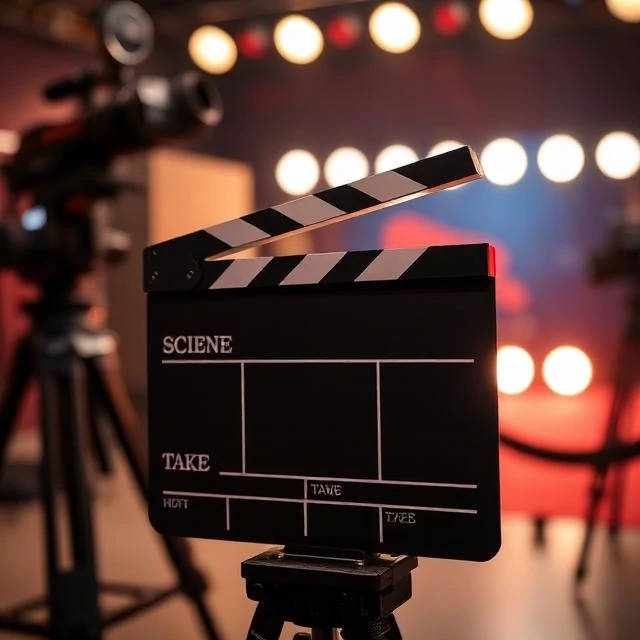
A take is a single continuous recording of a shot before editing. When the director says action, the camera rolls. When the director says cut, the take is over. A single shot may require many takes. The first take may have a technical problem. The second may have a performance issue. The third may be perfect. The director chooses the best take. The editor assembles the takes into the final film. The take is the raw material of the film.
Takes are numbered for reference. Take 1, Take 2, Take 3. The script supervisor tracks the takes and notes which ones are good. The director may ask for another take for safety, for coverage, or for a different interpretation. The actors may adjust their performance. The camera may change its angle. The lighting may be adjusted. Each take is a new attempt. The best take is not always the last. Sometimes the first take captures a spontaneity that later takes lack. Sometimes the tenth take is the one where everything clicks.
The take is a moment in time. It is a performance that will never happen again. The camera captures it. The editor uses it. The audience sees it. The take is the unit of performance. It is the actor's work. It is the director's choice. It is the editor's material. The take is the film's raw truth. It is what happened on the day. The rest is construction.
Comments
No comments yet. Be the first to share a thought.
Leave a comment