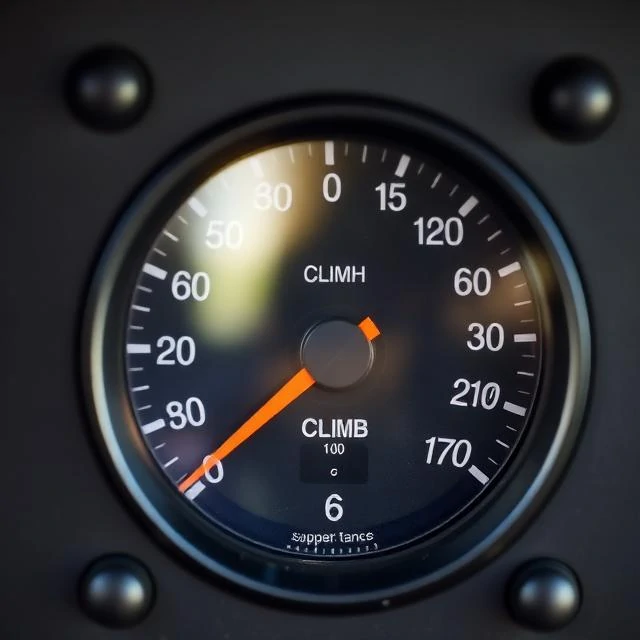
Altitude tells you where you are. The vertical speed indicator tells you where you are going. It shows the rate of climb or descent in feet per minute, and it responds faster than the altimeter to changes in vertical motion.
The instrument works by comparing static pressure to a delayed version of itself. As the aircraft climbs, pressure drops. The instrument senses the rate of that change and moves the needle accordingly. In level flight, the needle sits at zero.
Typical readings
- Zero in level flight
- 500 to 700 feet per minute in a normal climb
- 1,000 to 2,000 in a jet climb
- 500 in a standard approach descent
Pilots use the instrument to hold a target climb or descent rate, especially during approaches where a stable path matters more than raw altitude alone.
Comments
No comments yet. Be the first to share a thought.
Leave a comment