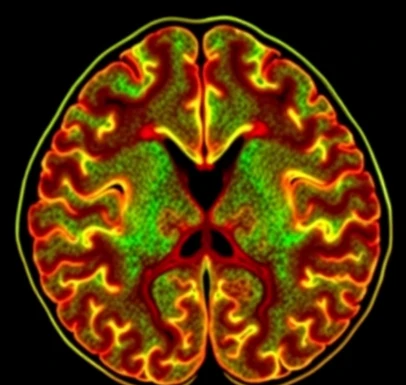
Resting tremor, stiffness, slowness of movement, and postural instability form the classic motor tetrad of Parkinson’s disease. The symptoms arise primarily from the progressive loss of dopamine-producing neurons in the substantia nigra, which deprives the basal ganglia of a critical modulatory signal.
Non-motor features—sleep disturbance, constipation, loss of smell, depression, and later cognitive decline—often precede or accompany the motor signs and reflect broader pathology that includes alpha-synuclein aggregates known as Lewy bodies. Diagnosis remains clinical, supported by response to dopaminergic medication and, when needed, by imaging of the dopamine system.
Treatment centers on replacing or mimicking dopamine, together with physical therapy and, in selected patients, deep-brain stimulation. No therapy yet stops the underlying neurodegeneration. Research into early biomarkers, neuroprotective strategies, and circuit-level interventions continues at a rapid pace.
- Neurodegenerative movement disorder
- Caused by loss of nigral dopamine neurons
- Motor and non-motor symptoms
- Managed with dopaminergic therapy and deep-brain stimulation
Comments
No comments yet. Be the first to share a thought.
Leave a comment