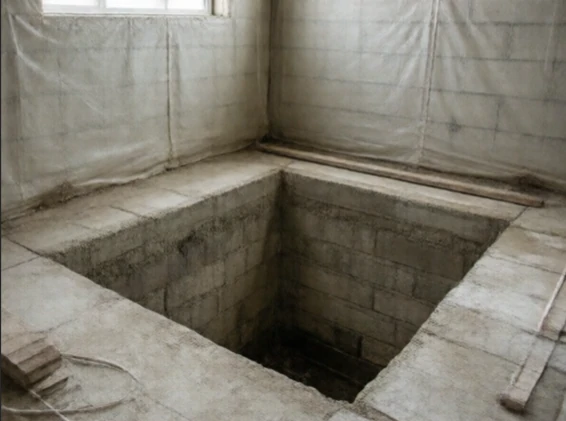
A basement is the part of a building that sits below ground. It may be a full story, a partial level, or just a crawl space. In residential construction, basements often house mechanical equipment, laundry, and storage. In commercial buildings, they may contain parking, data centers, or retail space.
Building below grade is expensive. Excavation, waterproofing, and retaining walls add cost and complexity. Groundwater is a constant enemy. A poorly waterproofed basement will leak, and fixing it after the fact is far harder than doing it right the first time.
But basements offer real advantages. They use land efficiently, provide thermal stability because soil temperatures are more constant than air temperatures, and can shelter occupants from storms. In some urban areas, basements connect to transit systems or underground pedestrian networks.
Code requirements for basements focus on egress, ventilation, and moisture control. Habitable basements need windows or emergency exits. Flood-prone areas may restrict basement construction altogether.
Comments
No comments yet. Be the first to share a thought.
Leave a comment