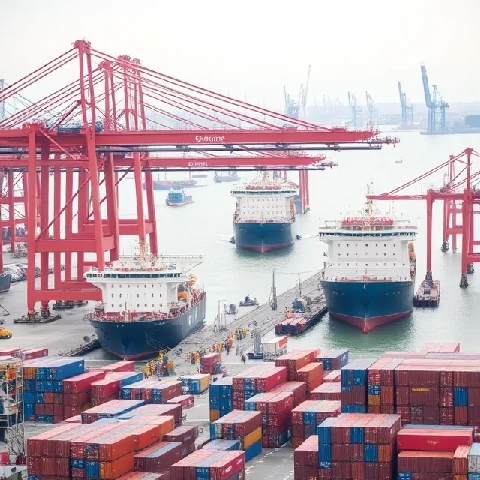
Trade concentrates where ships can work cargo. A port is a facility—natural or artificial—where vessels load and unload cargo or passengers, supported by berths, terminals, storage, and connections to inland transport.
Ports range from small fishing harbors to vast container complexes. Depth, crane capacity, storage, and hinterland links determine the trades a port can serve. Port authorities or private operators manage infrastructure, safety, and often pilotage and towage.
Efficiency at the port interface largely sets the productivity of the entire maritime supply chain. Congestion, labor disputes, or equipment failure at a major port quickly affects schedules worldwide. A well-run port is invisible infrastructure; a poorly run one becomes a headline.
- Facility for loading and unloading ships
- Includes berths, terminals, and inland connections
- Managed by authorities or private operators
- Critical node in global logistics
Comments
No comments yet. Be the first to share a thought.
Leave a comment