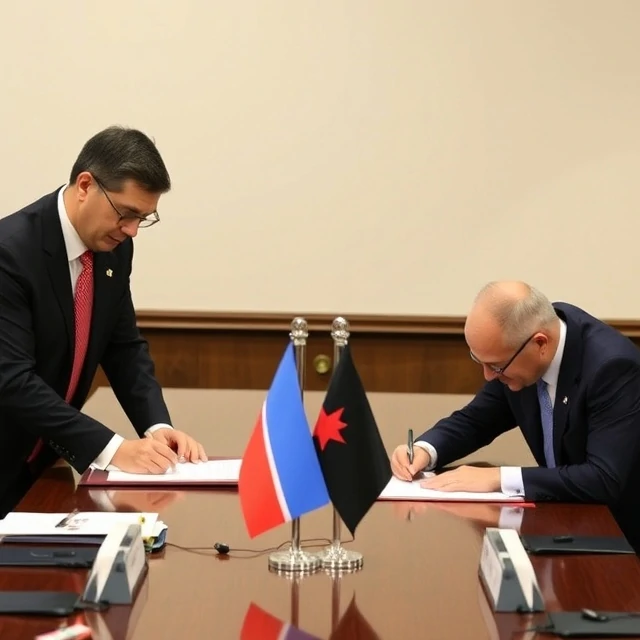
States formalize agreements in writing. A treaty is a binding compact between two or more sovereign parties, governed by international law and typically addressing peace, alliance, trade, territory, or other matters of mutual concern.
Negotiation, signature, ratification, and implementation are distinct stages. Language is often precise and hard-won; ambiguities can generate later disputes. Major peace treaties have redrawn maps and imposed reparations or minority protections. Trade treaties shape economic flows.
Archives preserve the texts; diplomatic histories reconstruct the bargaining. Compliance depends on interests, enforcement mechanisms, and domestic politics. Treaties remain a primary instrument through which the international system manages conflict and cooperation.
- Formal binding agreement between states
- Covers peace, trade, territory, and more
- Subject to negotiation and ratification
- Central tool of international relations
Comments (2)
Leave a comment