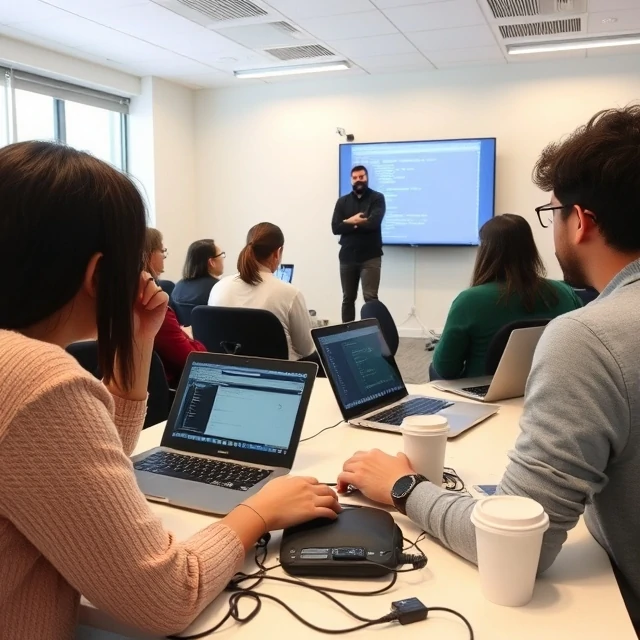
A workshop is a hands-on session where people learn by doing. It is not a lecture. Participants build something, practice a skill, or solve a problem together. The instructor guides, demonstrates, and gives feedback, but the bulk of the time belongs to the participants.
Workshops appear in many settings. A writing workshop has participants sharing drafts and offering critiques. A coding workshop has attendees writing code at laptops. A theater workshop has actors on their feet, experimenting with scenes. A corporate training workshop might have teams working through a case study.
The format works because practice beats passive listening. Adults especially retain more when they apply new skills immediately. Workshops also build community. Participants learn from each other, not just from the facilitator. The best workshops end with something concrete: a draft, a prototype, a plan, or a set of notes to take back to work.
Typical structure
- Short introduction and goals
- Demonstration or modeling
- Guided practice
- Independent or group work
- Sharing and feedback
Comments
No comments yet. Be the first to share a thought.
Leave a comment