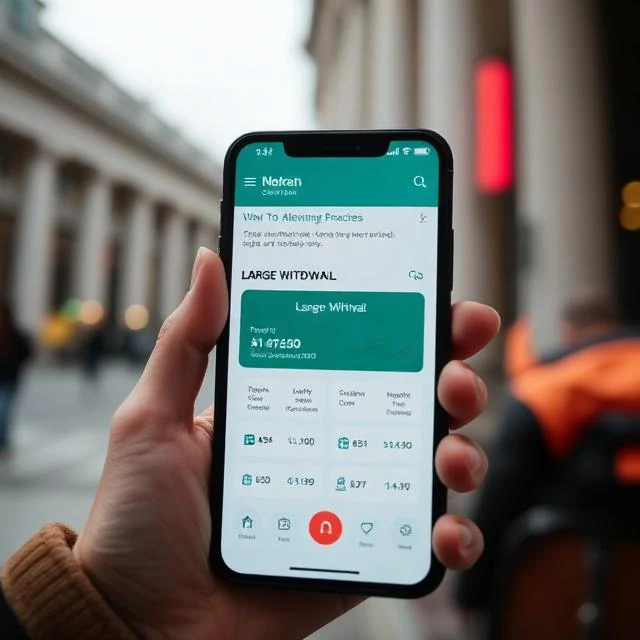
A bank run happens when depositors lose confidence and rush to withdraw their money at the same time. It is a self-fulfilling prophecy. Banks hold only a fraction of deposits as cash. Most of the money is lent out or invested. If enough depositors demand their money at once, the bank cannot pay. It fails.
Bank runs have caused some of the worst financial crises in history. The Panic of 1907 started with a run on the Knickerbocker Trust Company. The Great Depression saw thousands of bank failures, wiping out savings and deepening the economic collapse. In 2008, a run on Northern Rock in the UK was the first in 150 years. In 2023, Silicon Valley Bank collapsed after a run driven by social media and mobile banking, which made withdrawals faster than ever.
Governments have tools to stop runs. Deposit insurance, like the FDIC in the United States, guarantees deposits up to a limit, currently $250,000 per depositor. Central banks can lend to solvent banks to meet withdrawals. In extreme cases, governments can guarantee all deposits, as Ireland did in 2008 and the United States did for SVB and Signature Bank in 2023.
The speed of modern bank runs is new. In the past, depositors lined up outside branches. Now they can move money with a few taps. That speed makes runs harder to stop and increases the pressure on regulators to act quickly.
Comments
No comments yet. Be the first to share a thought.
Leave a comment